


For small and medium-sized tour operators, the biggest marketing challenge isn't a lack of ideas—it’s limited time, headcount, and budget. Between managing OTA listings, posting on social media, and maintaining a website, how should you allocate your resources effectively?
As more travelers turn to AI to plan their trips, the focus of marketing is shifting too. Rather than pouring more money into ads, it pays to invest in digital assets that build up over time, such as clear product information, genuine reviews, and a branded website of your own. This article looks at the role each channel plays from an operator's point of view: AI search, OTAs, social media, and your own website.
AI Search: The New Traffic Gateway
Unlike traditional search, AI gathers information from multiple sources and turns it into a single answer for the traveler. This means the clearer and more structured your tour details are, the easier it is for AI to recommend you. While no algorithm guarantees placement, operators should optimize these three areas immediately:
Align Content with Traveler Intent
Spell out the location, duration, price, meeting points, and cancellation policies in text (not just embedded in images). Anticipate how travelers ask questions—such as “family-friendly snorkeling for non-swimmers”—and proactively address FAQs like rainy-day alternatives or language options.

Highlight Your Unique Selling Point
Both AI and travelers need a compelling "why you." A climbing gym called double8 drew on its location next to the Lover's God Temple, known for matchmaking blessings, and created a red "Thread of Fate" climbing route. This unique experience made the gym instantly memorable. (Further reading: rezio recipe for Success:How “double8” Improved Attendance with an Upgraded Booking System )
Cross-Platform Consistency
If prices and itineraries clash across your website, OTAs, and Google Business Profile, both AI models and potential customers will lose trust in your brand.
OTAs and Social Media: Leveraging Platforms for Maximum Exposure
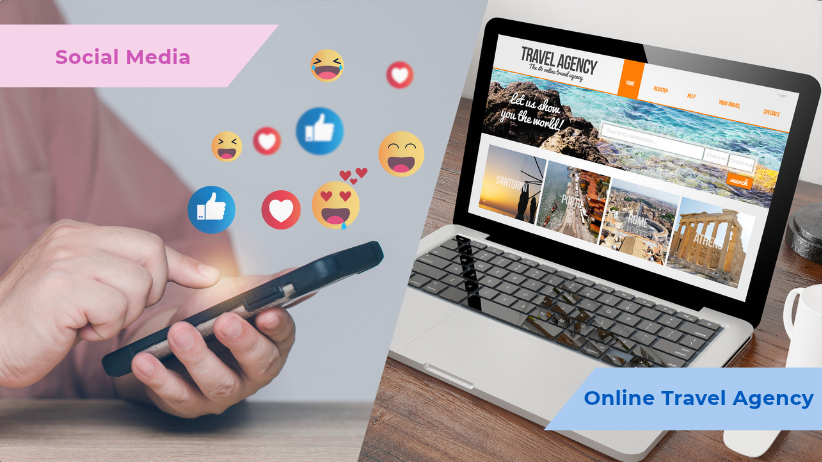
While OTAs and social networks offer rapid reach by tapping into existing audiences, you are ultimately playing by their rules. Each serves a distinct purpose in your funnel:
OTAs: Capturing New Travelers
Platforms like KKday, GetYourGuide, and Viator aggregate travelers actively looking to book, making them ideal for testing new markets or reaching international tourists. Success here relies on high-quality photos, comprehensive descriptions, and consistently gathering authentic reviews—the ultimate social proof for reliability.
Social Media: Fostering Trust and Recall
Social media's strength isn't instant sales but building an impression over time. Real traveler photos, behind-the-scenes moments, and local stories build more trust than promotional offers alone.
However, algorithm updates and policy changes are inevitable. While these platforms are excellent for top-of-funnel exposure, operators must direct this traffic to an owned channel to cultivate lasting customer relationships.
Your Brand Website: The Anchor for All Channels
If OTAs and social media are rented stages, your website is your permanent home. You dictate the content, the booking flow, and the policies. In the AI era, an independent website is more critical than ever:
The Single Source of Truth
Your website is the only place that fully encapsulates your brand story and comprehensive FAQs. It serves as the ultimate reference point for both travelers and AI bots verifying your information.
Building Brand Equity
Direct bookings reinforce your brand, not the OTA's. Jeff, founder of rezio operator Psalms Travel Services in Coron, Philippines, puts it simply: if travelers book through their website, they recognize their brand. (Further reading: Own Your Website: How Psalms Travel Services Makes Its Brand Stand Out with a Booking System)
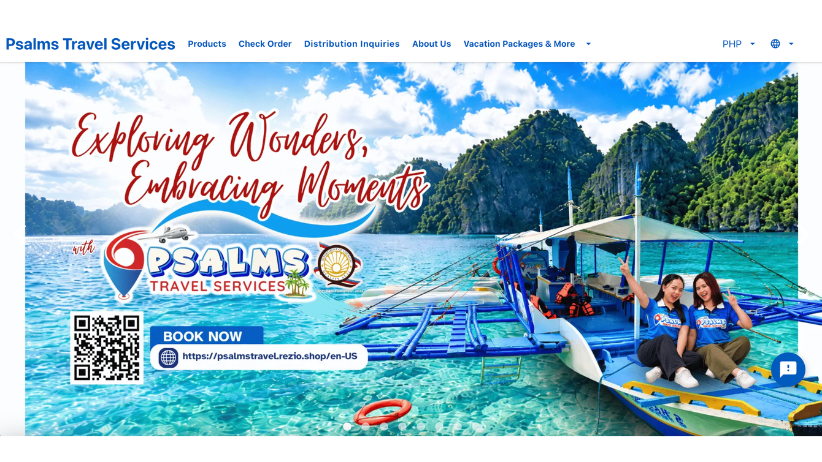
The Anchor for All Channels
By linking your website across social bios, email signatures, and Google Business profiles, you create a centralized destination for all inbound traffic.
Beyond these three points, what makes a website work is being easy to book. As Jeff highlights, every second counts during checkout—if the process is clunky, travelers will bounce. Displaying real-time availability, transparent pricing, and a frictionless online payment flow minimizes hesitation and slashes your customer service workload. Using a dedicated booking engine like rezio ensures your direct inventory stays perfectly synced with your OTA channels.
Conclusion: Center Your Strategy Around Your Website
Travel marketing in the AI era is no longer about who spends the most on ads; it’s about who provides the clearest information and earns the most trust. Instead of choosing just one channel, build a collaborative matrix: AI search and OTAs help you get discovered, social media keeps you top-of-mind, and your website converts that trust into revenue.
If resources are tight, start with a single, high-impact step: audit your tour information for completeness and consistency across the web. It is the foundation for AI comprehension and the first step in earning a traveler's trust.
Ready to upgrade your digital storefront? Get in touch to see how rezio—the premier booking system for tour and activity operators—can streamline your online payments, sync your channels, and drive direct growth. ▶ [Start your free trial]